Session 4 : User equipment
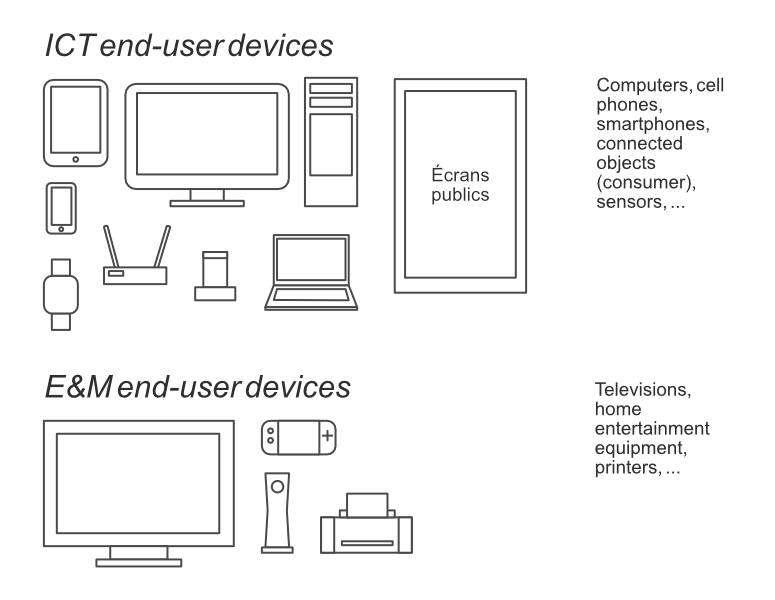
The term “user equipment” or “end-user devices” refers to all equipment used by end customers, whether they are professionals or consumers. This includes desktop and laptop computers, monitors, phones, smartphones, tablets, peripherals. The “Entertainment & Media” sector also has its share of equipment: cameras, audio systems, media players, smart speakers, connected watches, game consoles, etc.
The development of the Internet of Things (IoT) poses a new challenge to the inventory of all this equipment as it will be included in all sectors: surveillance cameras, sensors, etc. It is difficult today to know the exact number of connected objects and other equipment deployed. The Internet of Things involves turning more and more everyday objects into connected objects, which makes future inventory between more unstable. Indeed, new devices that do not exist today are impossible to predict.
Making a digital world
For most people, digital infrastructure is rarely visible. The only immediate contact is through user equipment, yet the infrastructure to enable data processing forms a giant network that crosses oceans and continents until it reaches homes by cable or radio waves. It is this immense infrastructure that allows us to communicate at almost the speed of light. However, it has to adapt to local, territorial and even terrestrial constraints which make its deployment complex and dependent on many parameters.
Accustomed as we are to the “information revolution,” the accelerating pace of the 24/7 lifestyle, and the multi-connectivity provided by the world wide web, we rarely step back and ask what changes have been occurring at a slower pace, in the background. For the development of cyberinfrastructure, the long now is about 200 years. This is when two sets of changes began to occur in the organization of knowledge and the academies that have accompanied – slowly – the rise of an information infrastructure to support them. On the one hand is the exponential increase in information gathering activities by the state (statistics) and on the other is the emergence of knowledge workers (the encyclopedists) and the accompanying development of technologies and organizational practices to sort, sift, and store information. (Geoffrey C. Bowker, Toward Information Infrastructure Studies: Ways of Knowing in a Networked Environment, p. 103)
Substituing or adding devices?
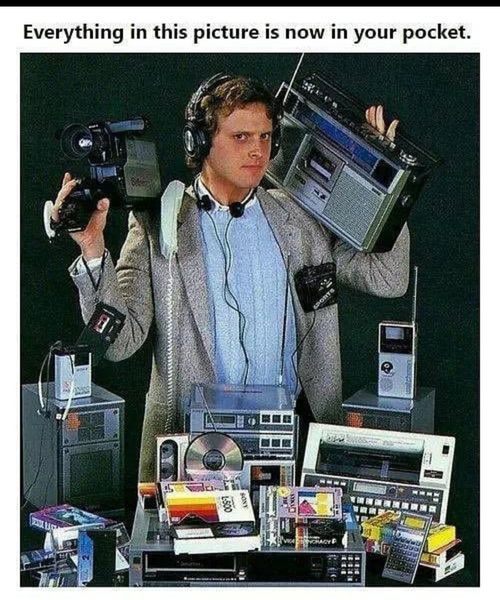
The image below shows a number of devices whose functions are now integrated into a smartphone. The smartphone has indeed had a significant substitution effect, but is this substitution total or partial? Has the smartphone led to the creation of ever more new connected devices?
Increasing the perimeter of digital devices
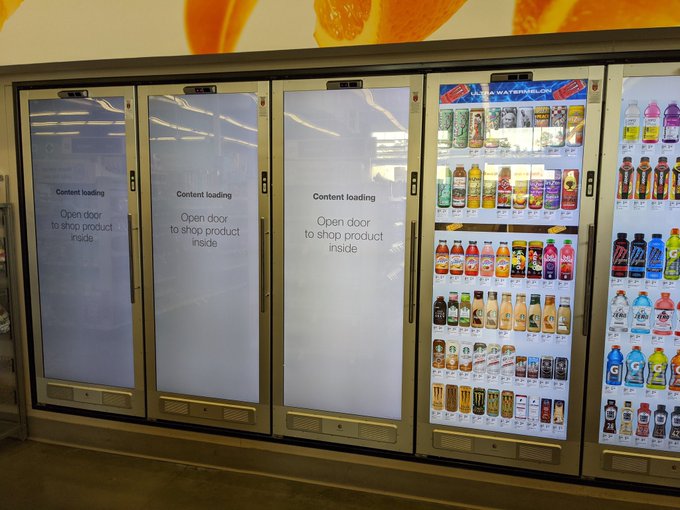
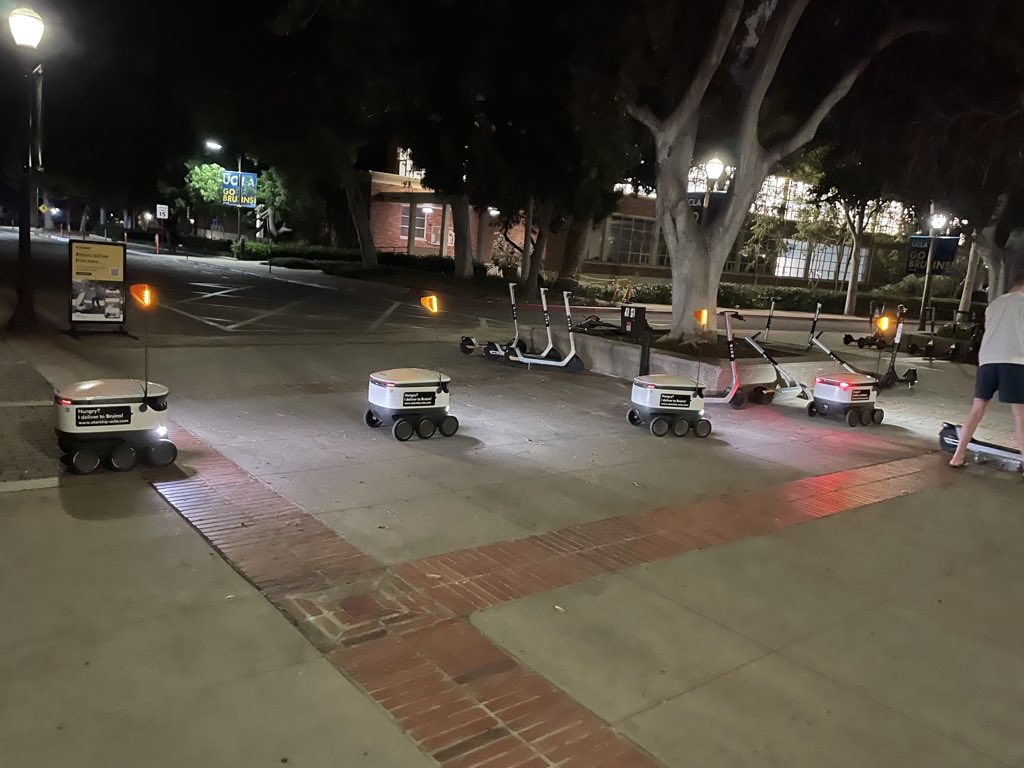
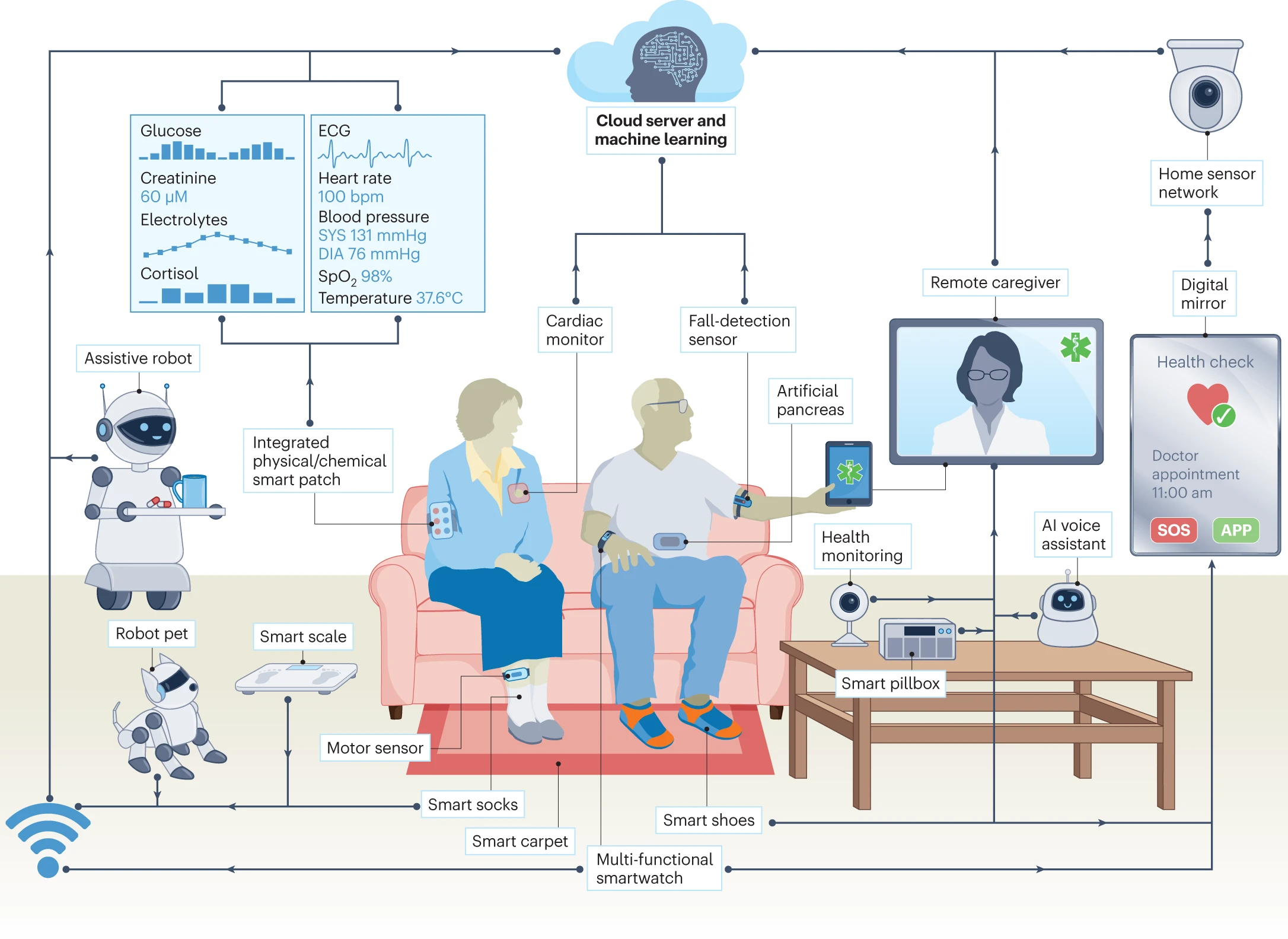
Assessing the environmental impacts of digital technologies also means broadening the scope to include new products (such as autonomous cars) and services that require significantly more equipment (such as the healthcare example below).
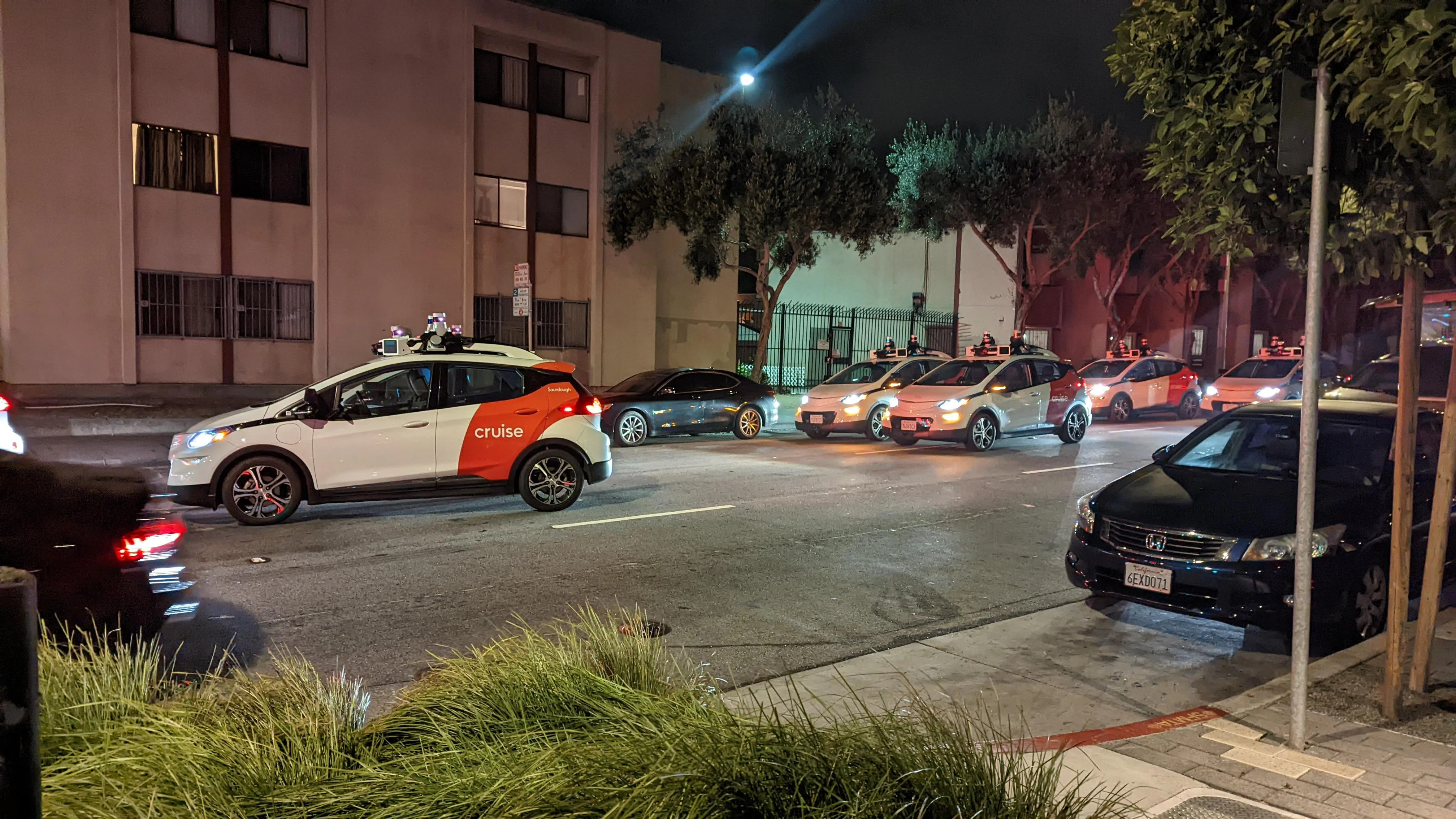
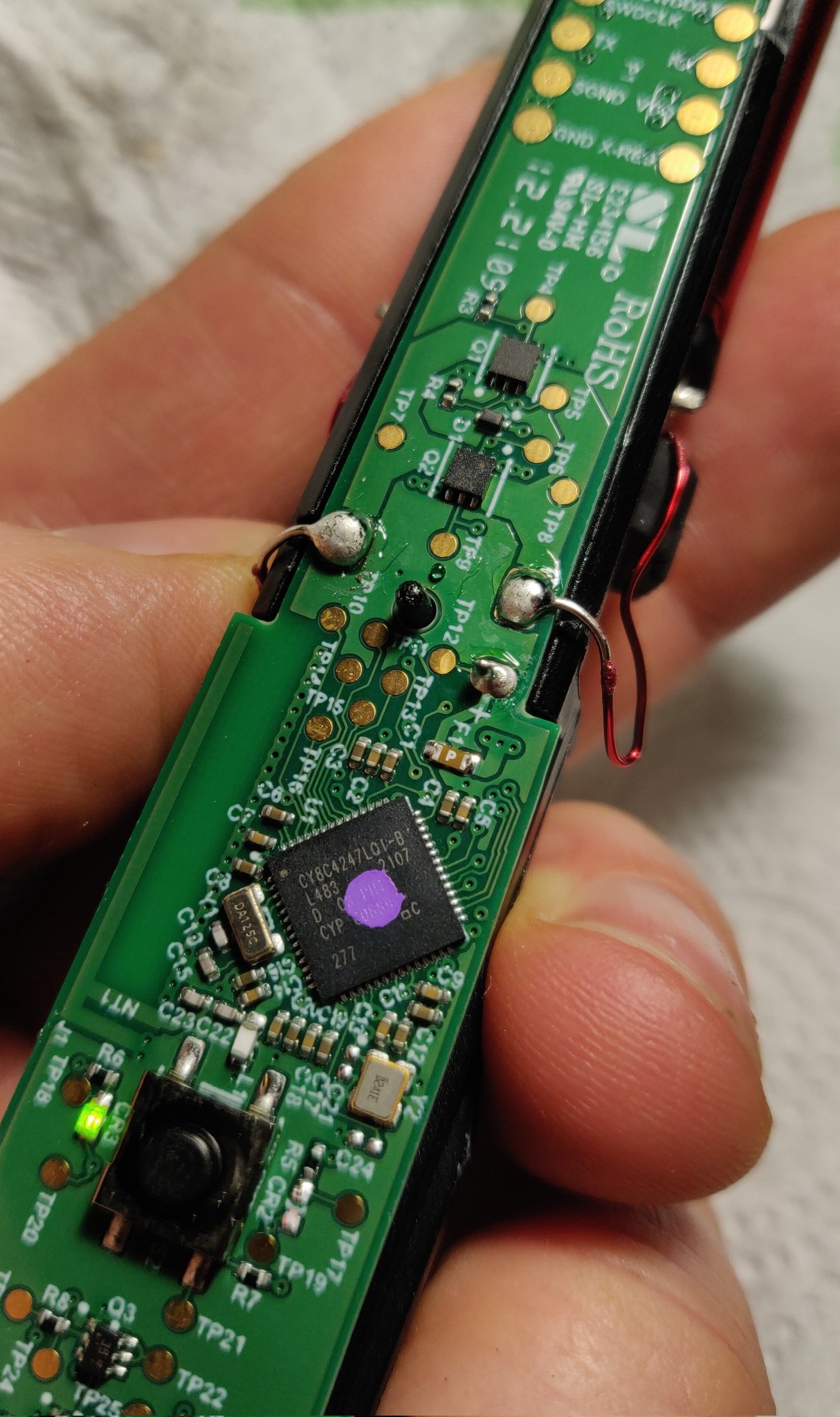
Today, the biggest unknown regarding the future trajectory of end-user devices is humanoid robots. Industrial robots are already widespread in factories around the world, but ‘household robots’ are still in their infancy. It is difficult to say whether this type of product will actually perform useful functions and become commonplace.
Make the future repairable
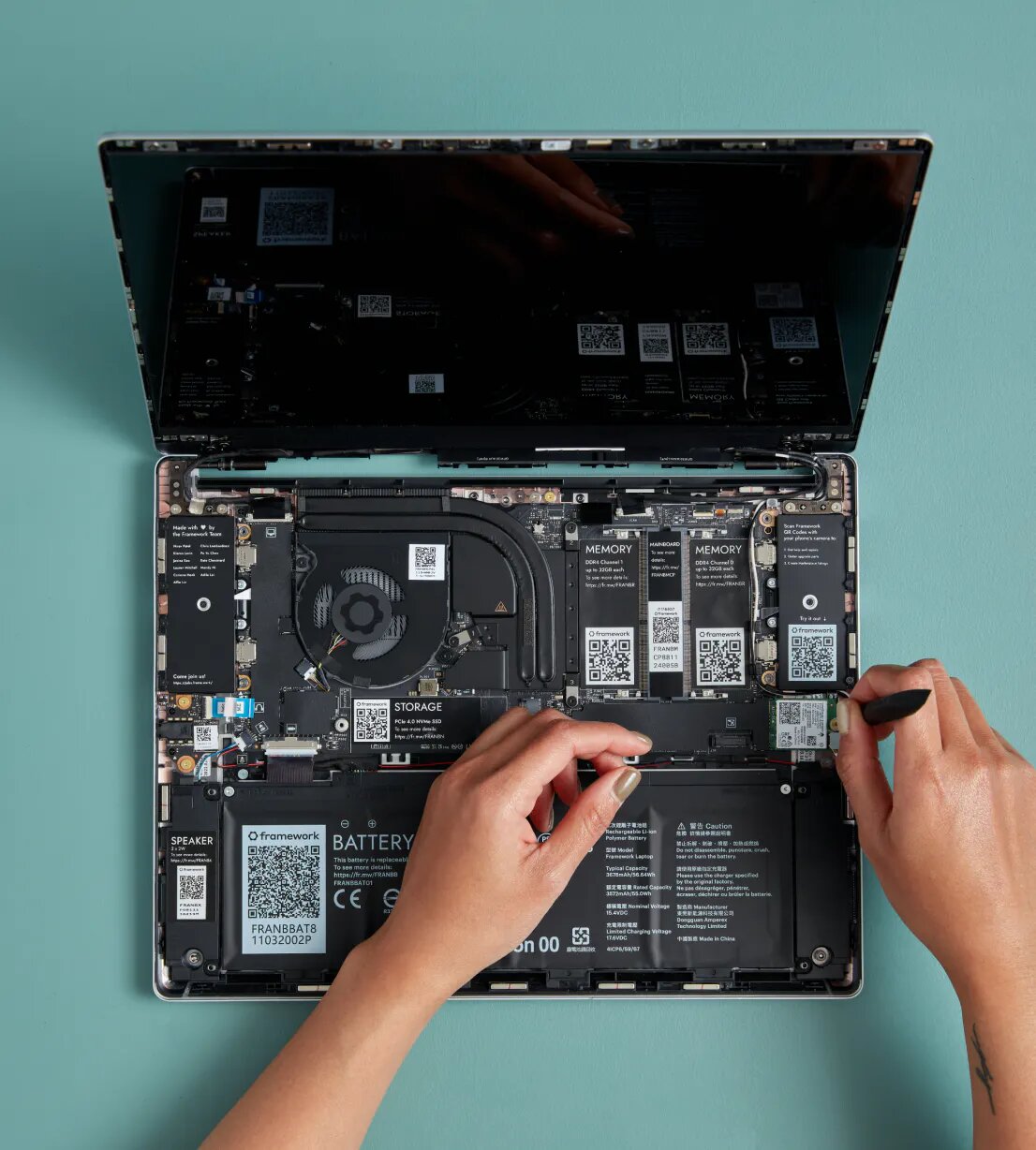
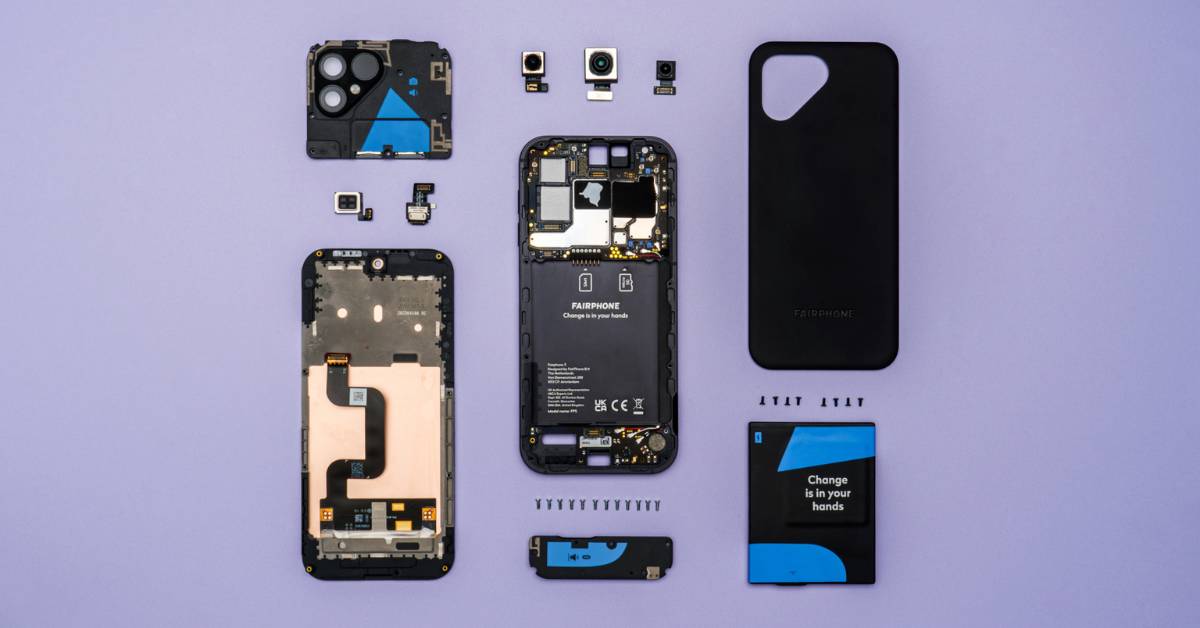
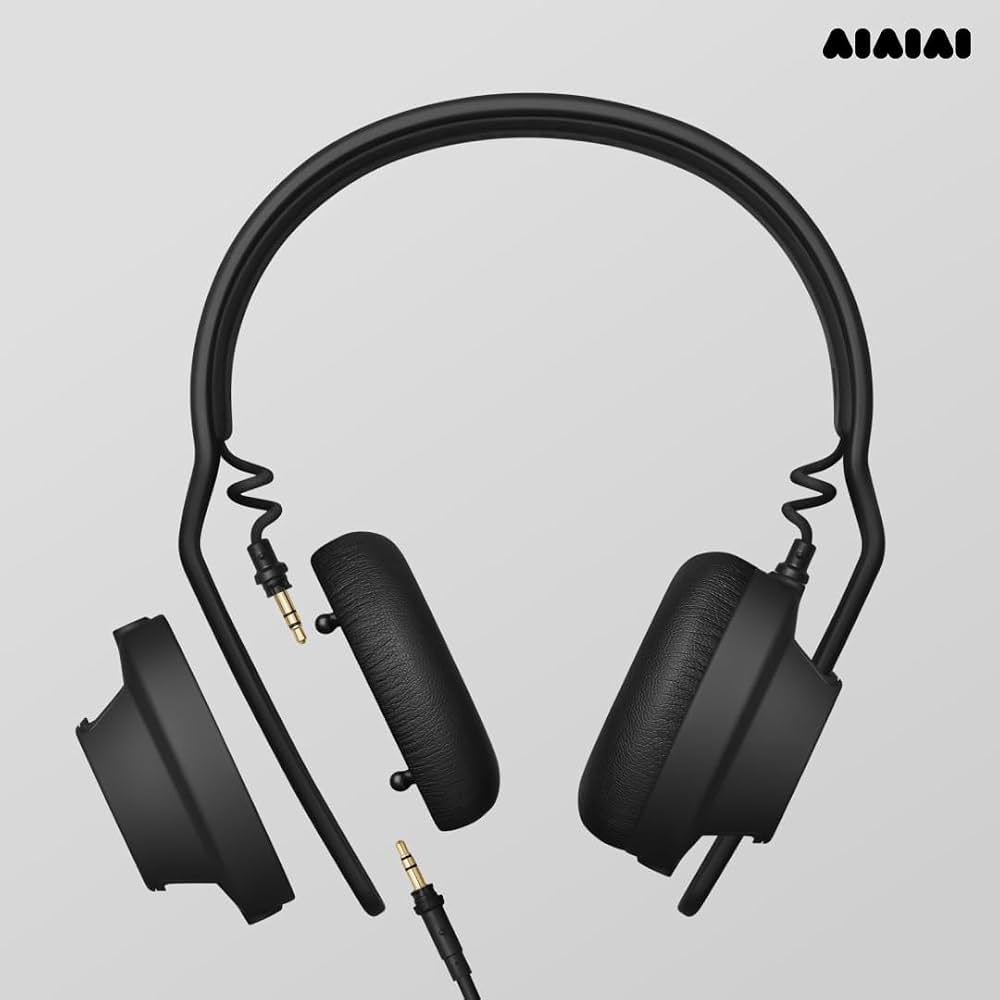
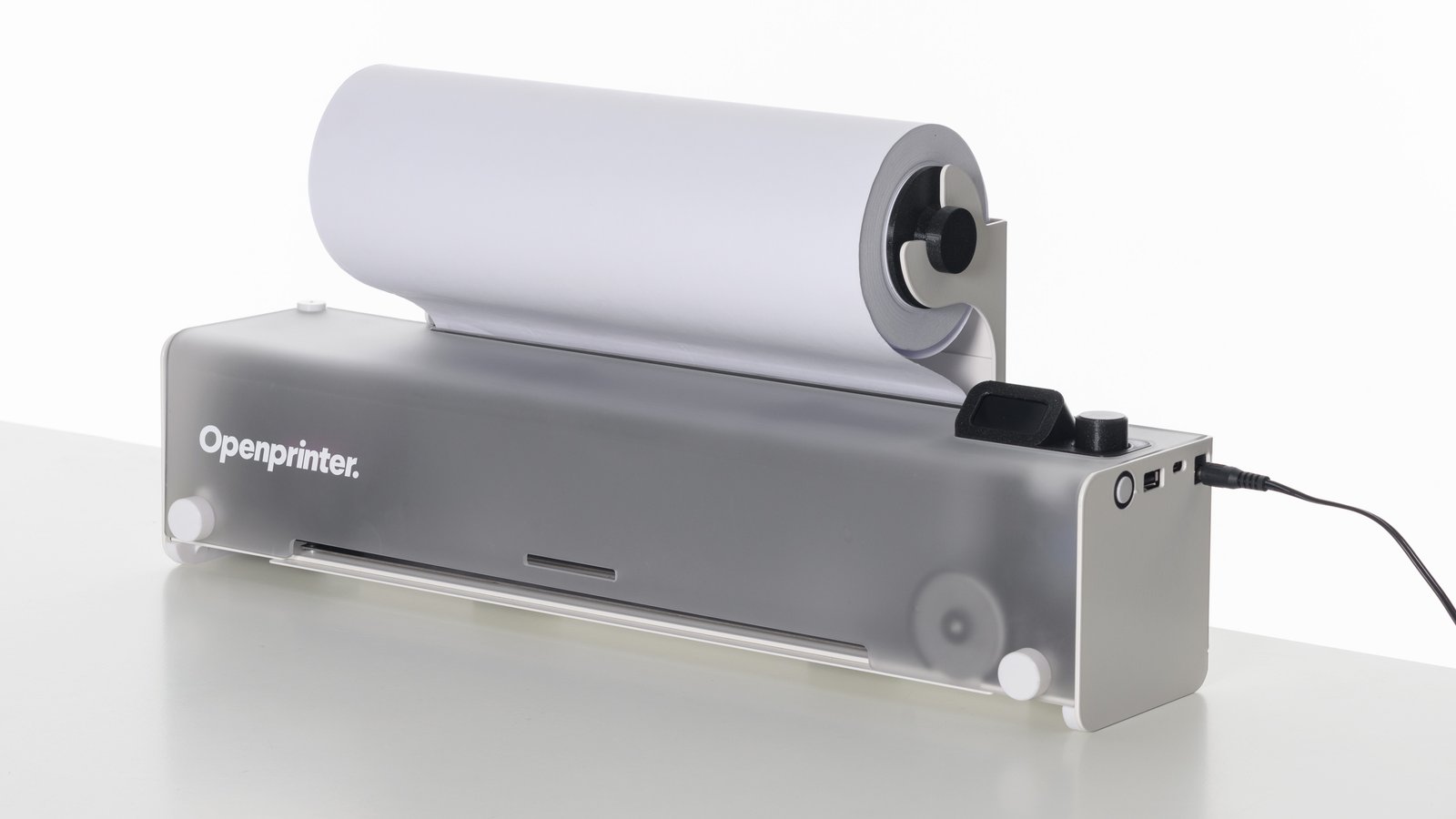
Generally speaking, the environmental footprint of consumer electronics stems from their manufacture, except in certain cases, particularly due to their relatively short lifespan. It is therefore crucial to design equipment that is repairable and modular in order to extend its lifespan.
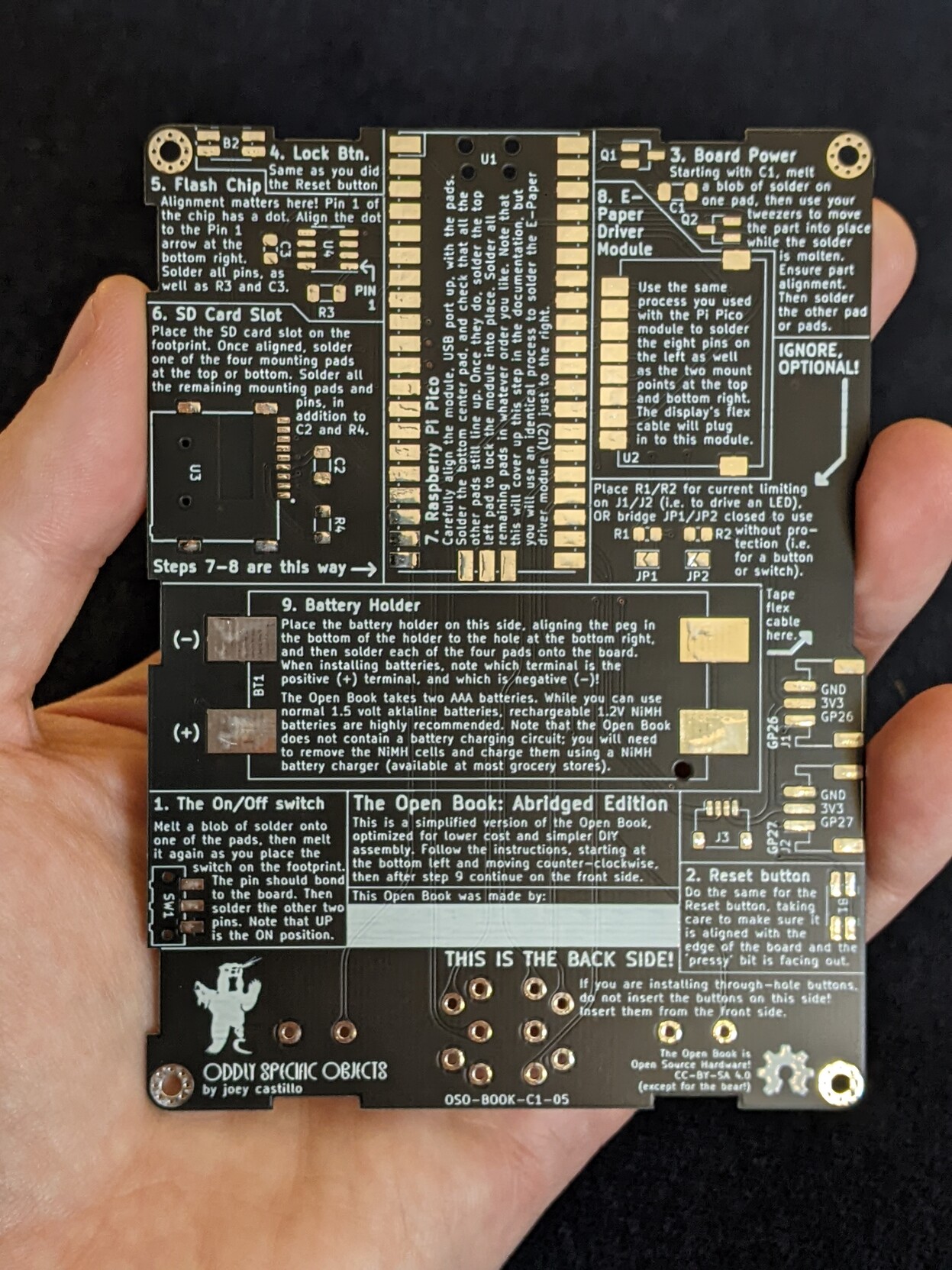
Numerous initiatives, companies and independent projects show that this is entirely possible. From smartphones and computers to headphones, printers and e-readers, new products have emerged and enjoyed varying degrees of commercial success: Framework, Fairphone, AIAIAI, etc.