Session 6 : Processing and purifying
The limitations of analysing the impacts of digital technology through the lens of mining
The increase in demand for resources, particularly minerals, compared to the current state of the mining sector indicates that shortages are coming in several metals. If mining projects accelerate then environmental, social and health damage will increase together.
The digital sector does not appear to be the main driver behind the opening of new mines or the sector primarily facing shortages. Most of the metals it relies on are used in small quantities and it is rarely their main consumer. Furthermore, the metals most widely used by digital technologies often are co-depend on other large metals, meaning their supply is not solely determined by the needs of the digital sector. Nevertheless, maintaining the current rate of digital expansion continues to fuel extractivist practices, thereby exacerbating the social and environmental issues associated with mining. Under these conditions, a genuinely clean or fair digital transition is impossible.
In order to understand the main environmental challenges facing the digital sector, it is insufficient to consider them throught the lens of the mining industry alone. To do so, we must look further down the value chain to understand the specific characteristics of the sector in terms of socio-environmental impacts.
Purer than pure
This section uses the research paper from Gauthier Roussilhe, Thibault Pirson, David Bol, Srinjoy Mitra, titled: Purer than pure: how purity reshapes the upstream materiality of the semiconductor industry. (Link to preprint).
We have already seen the huge variety of materials involved in the digital value chain. We also examined the challenges associated with extracting these resources. However, the volume of material extracted for digital applications is limited compared to global extraction rates. Recently, a new approach has emerged that considers the specificities of the upstream semiconductor value chain, which is often not located at the extraction site, but at the stage of raw material purification.
The most recent data from the United Nations show that the value of key elements used for the Information and Communication (ICT) technologies such as gallium (Ga), germanium (Ge), indium (In), rare earth elements (REEs), selenium (Se), tantalum (Ta) and tellurium (Te), only accounted for 0.77% of all elements mined in 2018 (excluding coal) [7]. Although it is undeniable that ICT goods and services would not exist without the production of the mining industry, its mineral demand seems at first sight limited. To have a more comprehensive picture of the materiality of the digital sector, a complementary perspective further exploring production chains is needed. […] Microchips are arguably the most complex artefacts human beings have ever made, and the ones that require not only the largest variety of elementary material, but also with ultra-high purity requirements.
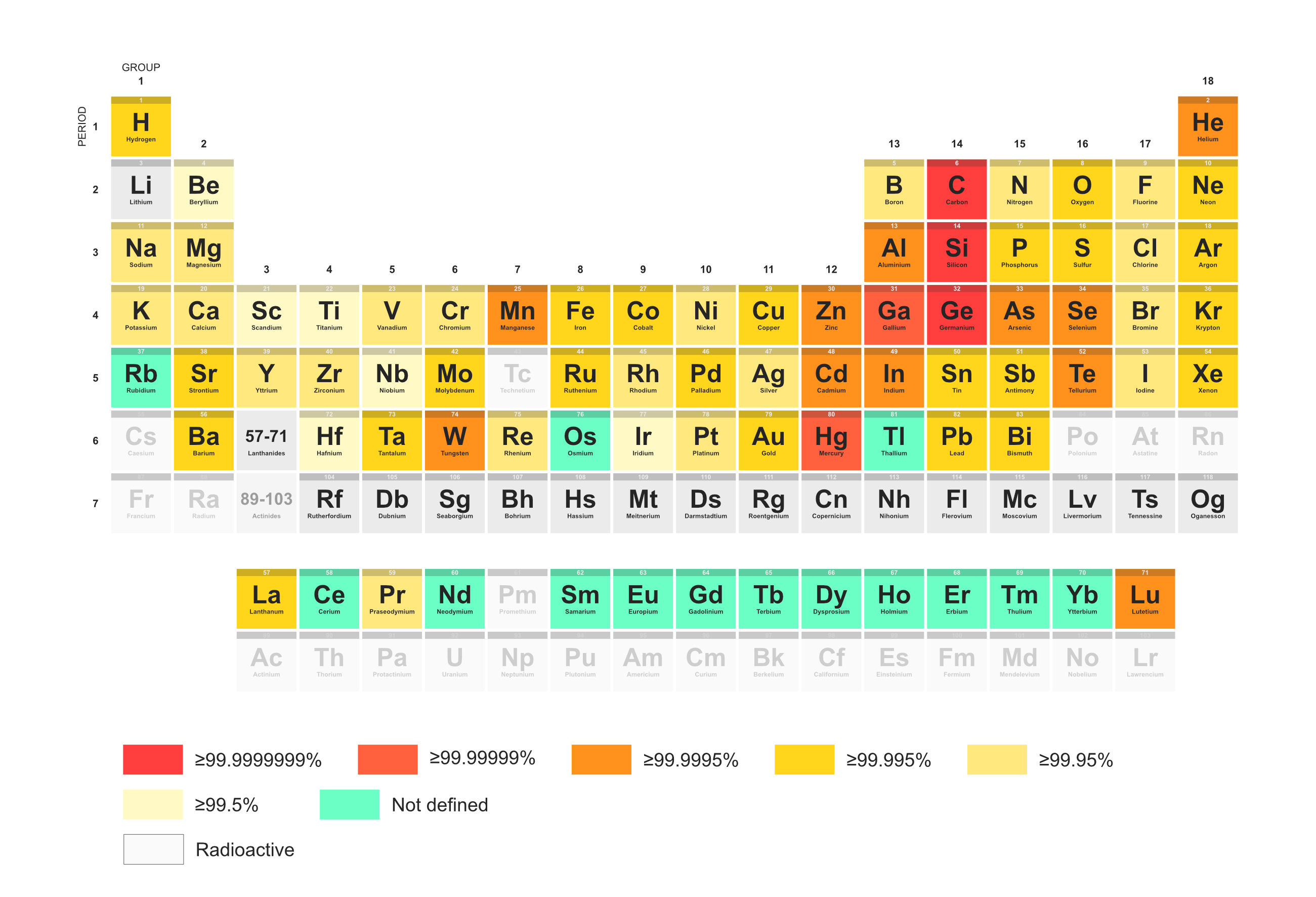
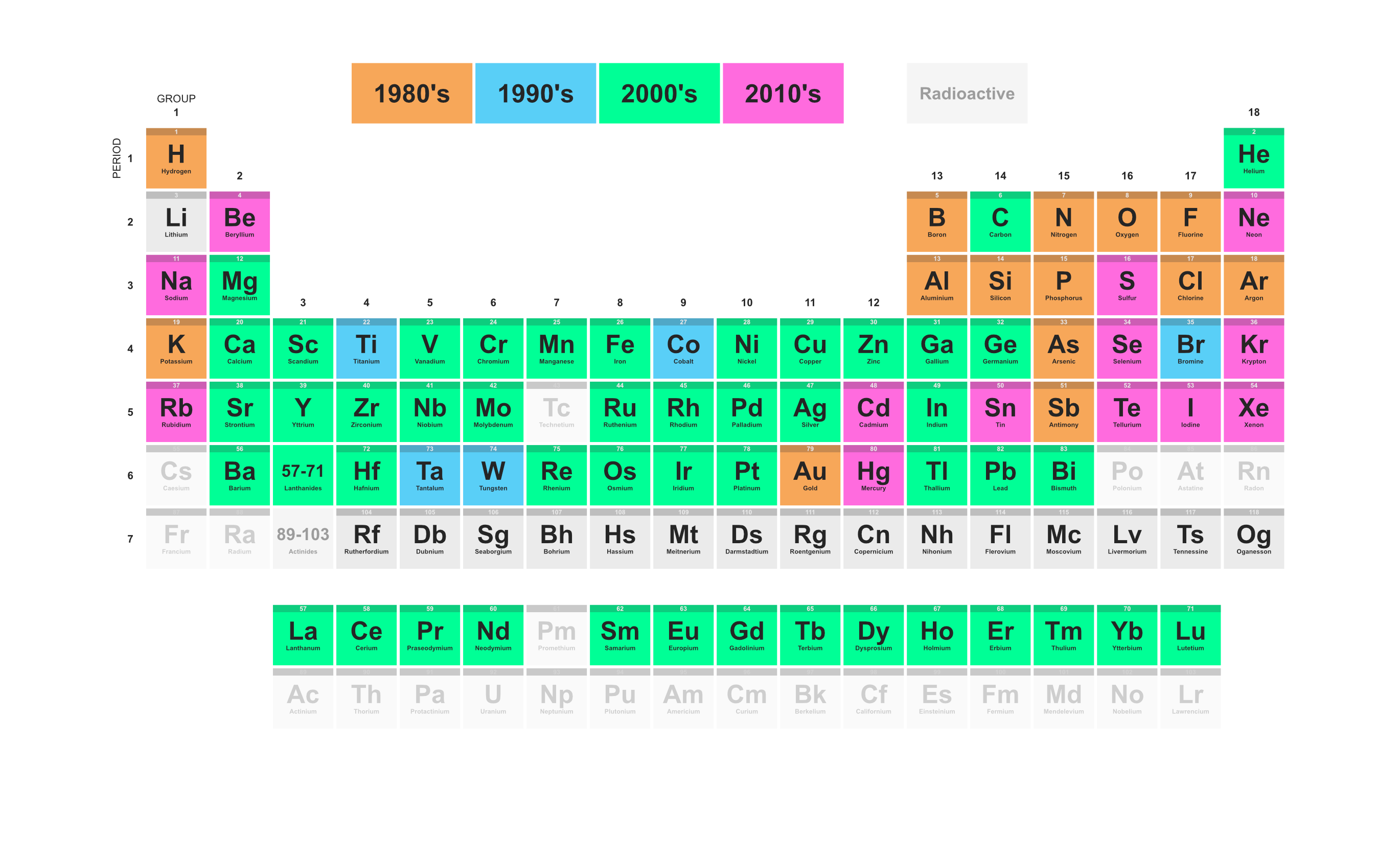
Non-exhaustive summary of the main elements used in the semiconductor industry (upstream). Purity requirements for the element are indicated by shades of orange
The case of silicon
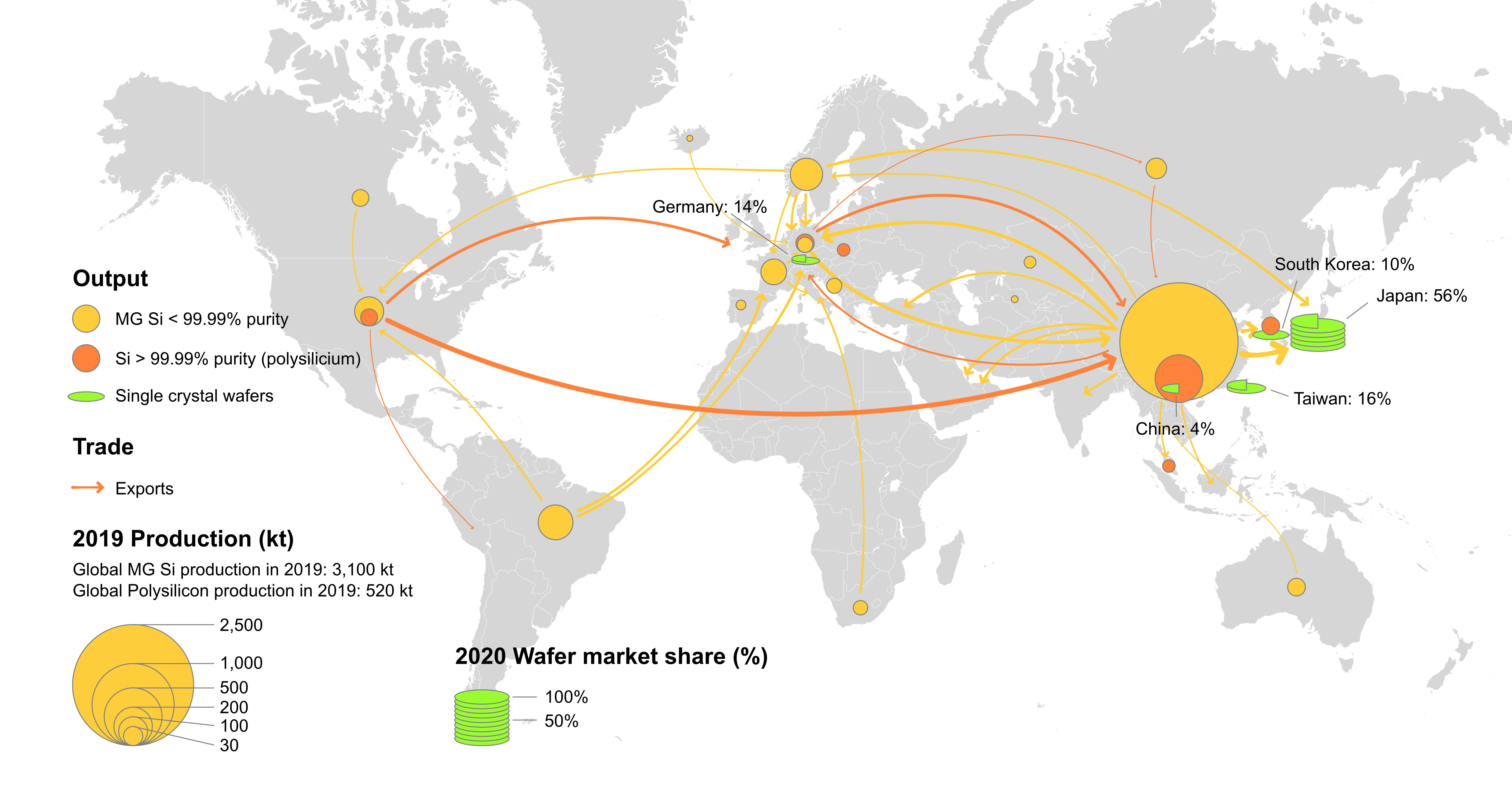
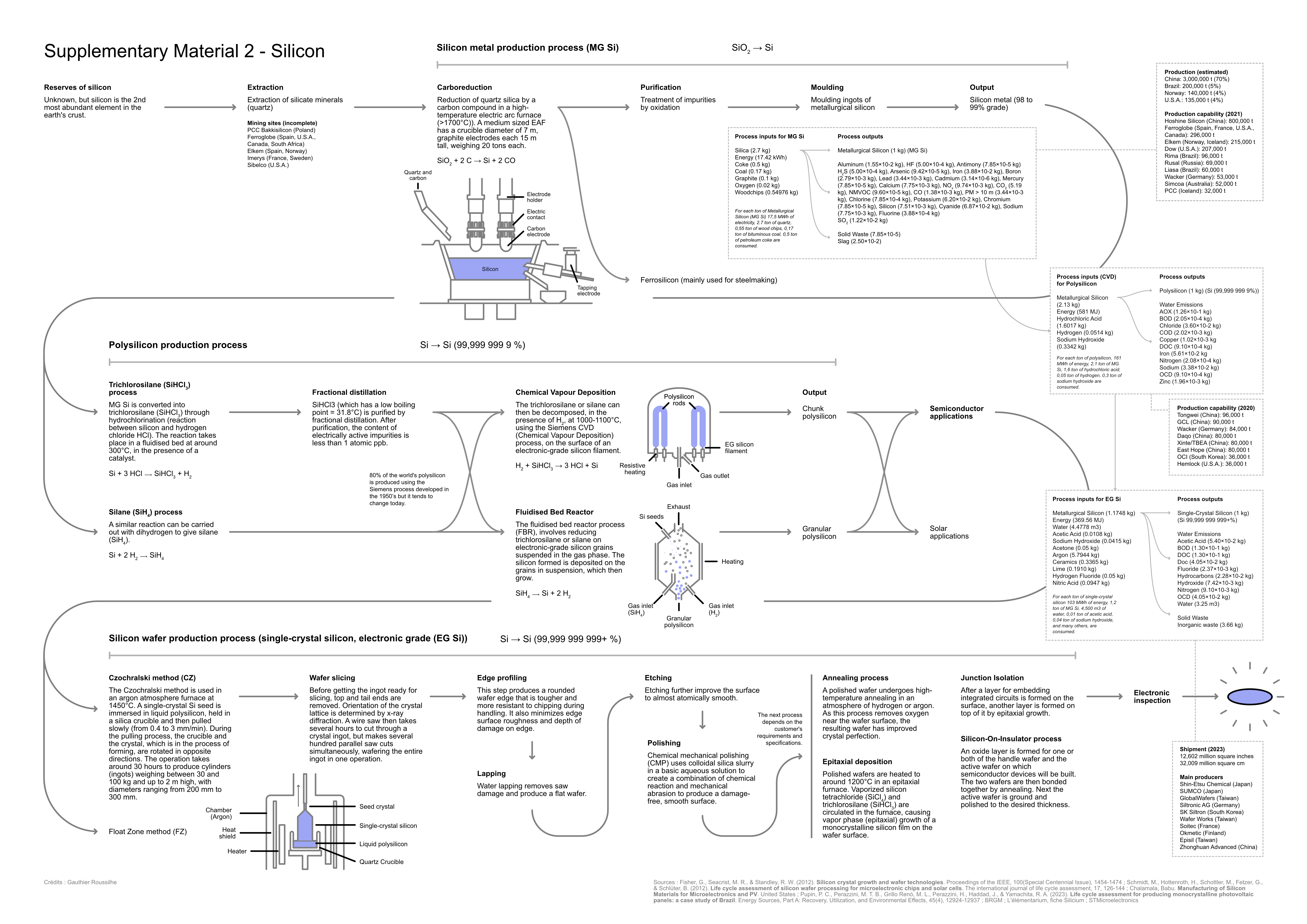
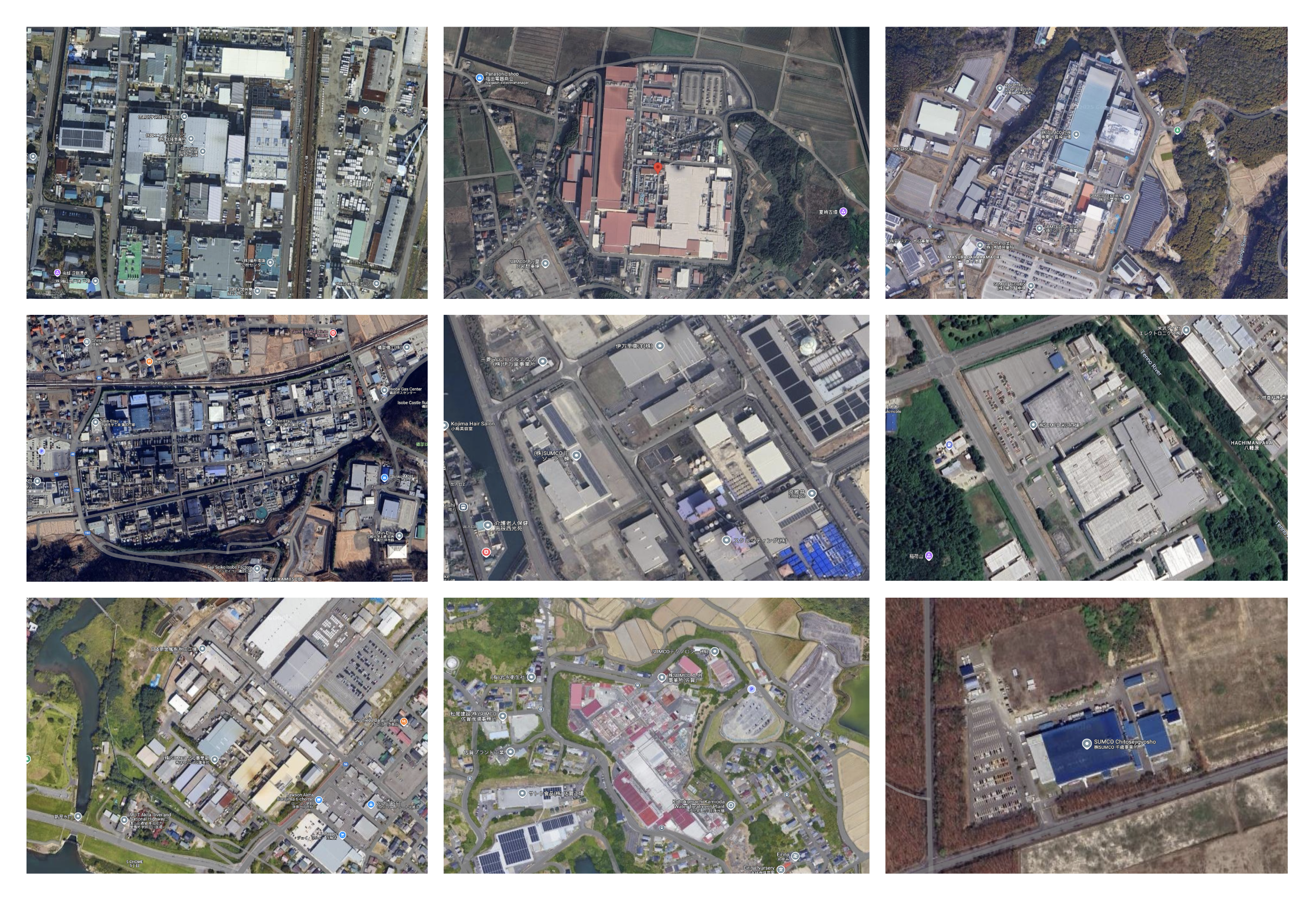
Silicon is without doubt one of the best-known elements in the digital sector and at the heart of the modern electronics industry. Nevertheless, only a fraction of the silicon extracted is used by the electronics industry. According to the French Geological Survey (BRGM), while 4,093 kilotons of quartz were extracted in 2019, only 41 kilotons went into the electronics industry, or about 1% of the total flow [24]. This element is more characterized by the purity required than by the quantity extracted. It is one of the elements with the highest purity requirements in the semiconductor industry, 11N (99.999999999%) or even higher. Numerous industries are therefore required between the extraction of quartz and the production of ultra-pure silicon. […] The case of silicon shows how the demand for purity quickly isolates upstream supply chains, as illustrated in Figure 6. This highlights two critical issues. First, it appears that the geographical concentration of the early stages of purification is in China, like many other elements. In 2023, it was estimated that China represented more of 90% of the polysilicon production market shares [25]. Then, the concentration of more than half of the production of single-crystal wafers is held by two Japanese companies, Shin-Etsu and SUMCO [26]. […] According to our estimates, there are only 35 factories worldwide capable of producing single-crystal wafers, and even fewer capable of producing wafers for advanced semiconductors (300 mm) (see Supplementary Materials). The ultra-pure silicon production value chains are a typical example of a small group of countries’ mastery regarding the material basis of the digital sector. In this case, the increasing demand for purity is exacerbating bottlenecks, which creates scarcity even for an abundant element such as silicon. Furthermore, such purity requirements have a significant environmental impact, particularly the transition from polysilicon to single-crystal silicon [27].
The case of neon
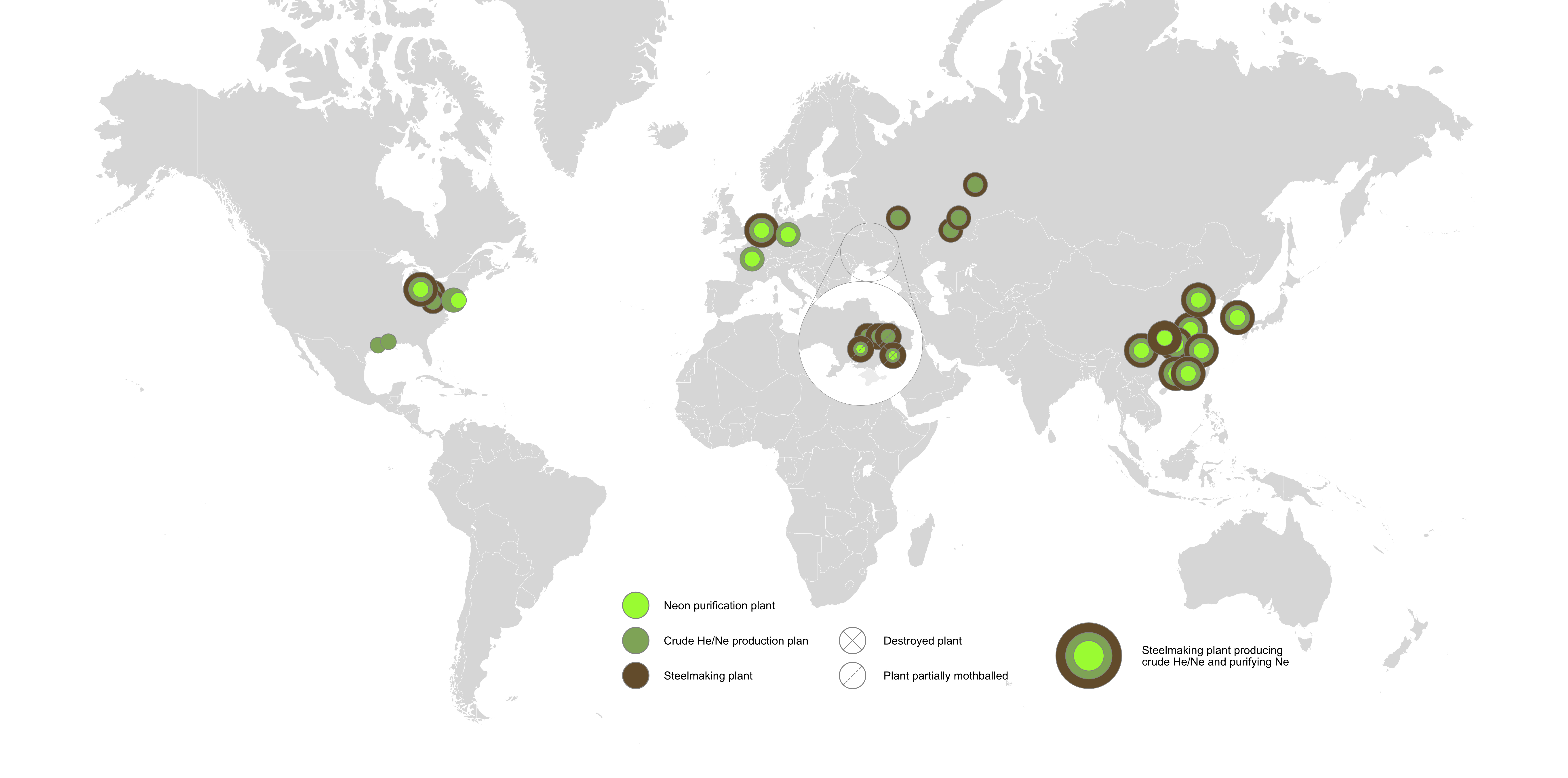
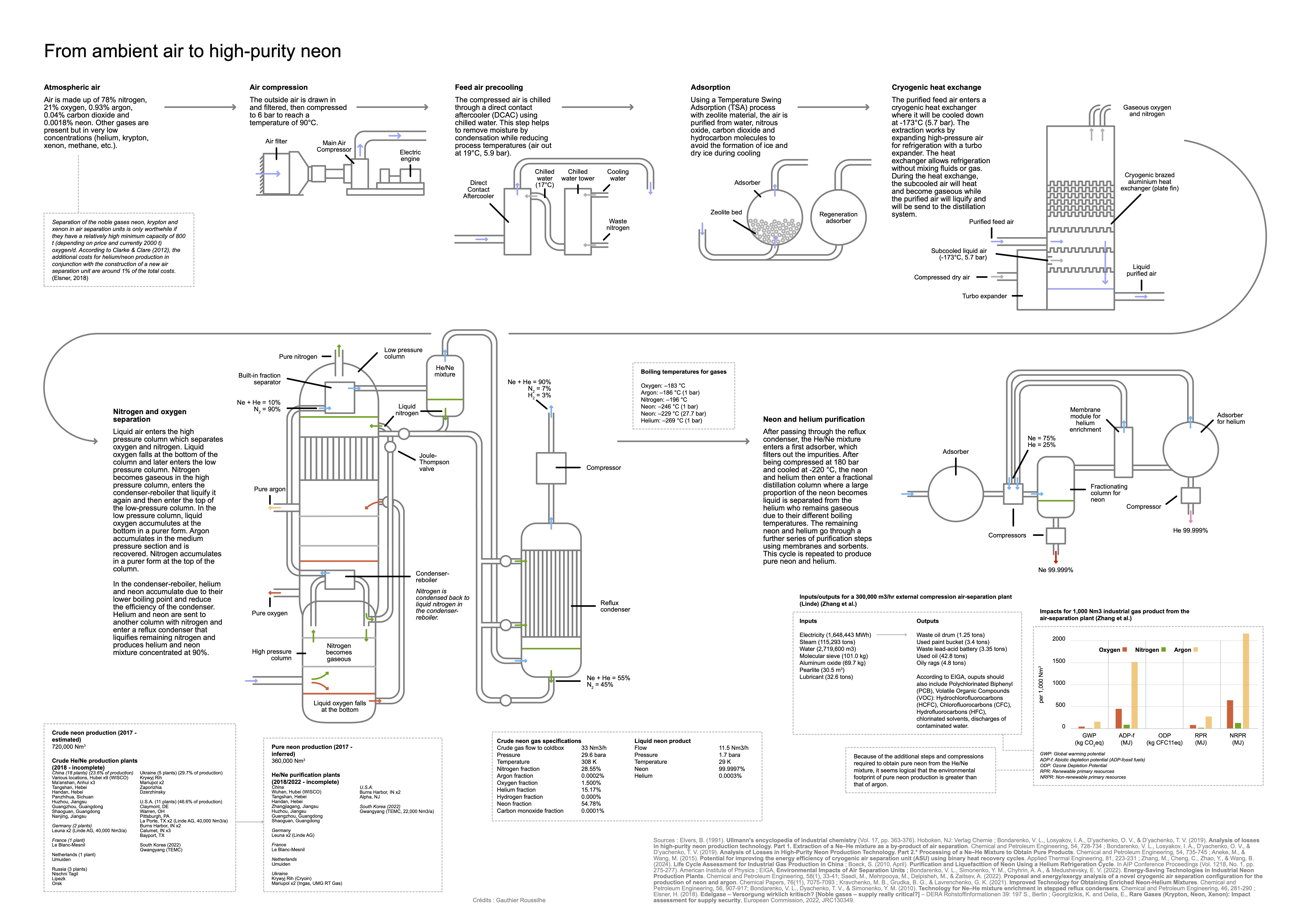
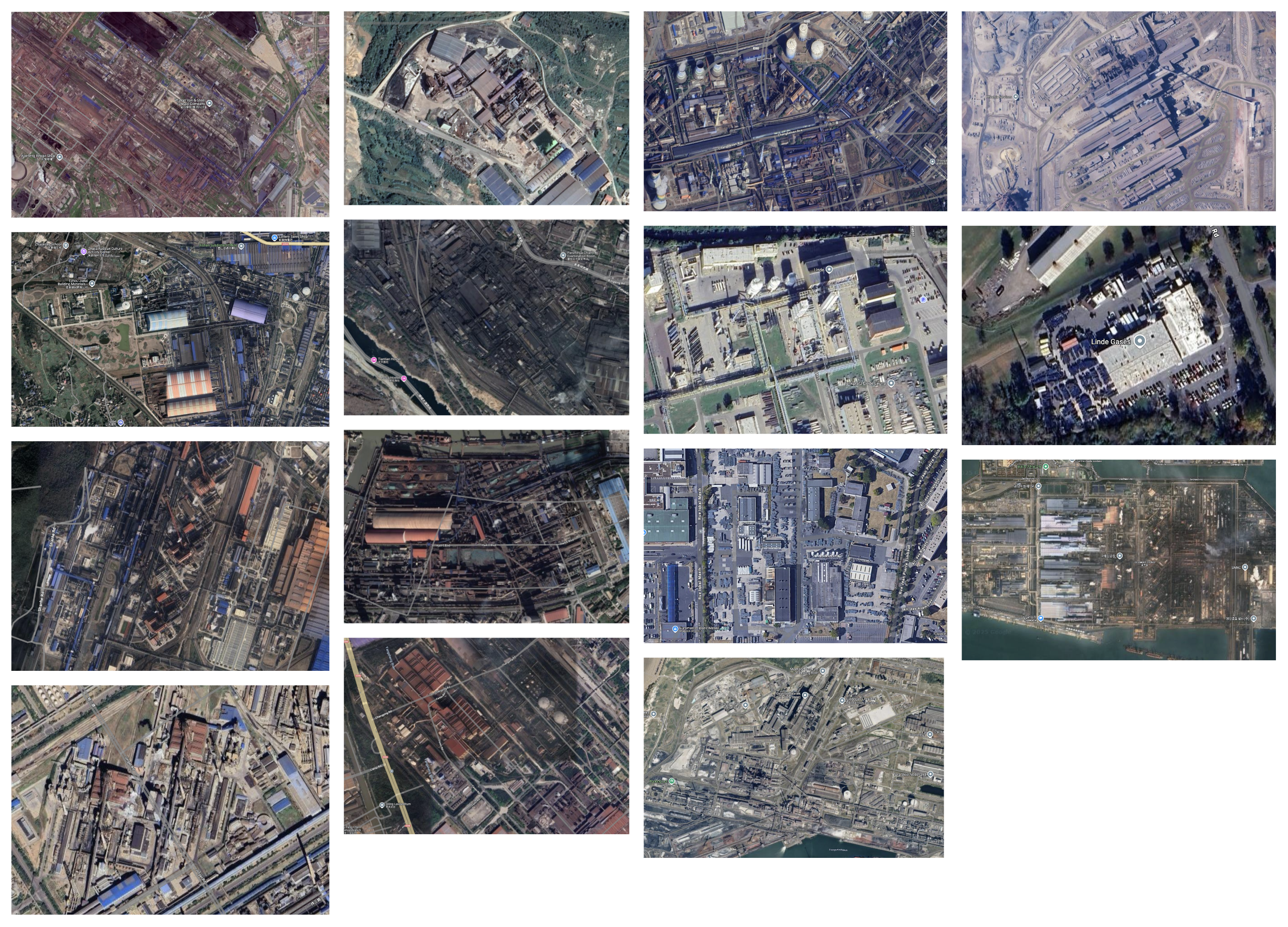
Gases seem to be rarely considered in material studies, likely because (i) they can theoretically be extracted anywhere on Earth, unlike minerals, and because (ii) they might be less obviously related to materiality than ores or minerals. However, semiconductor manufacturing heavily relies on gases. […] Although all air separation units are theoretically capable of extracting and reusing neon, only a small number of them do so. Based on the last publicly available data, 40 plants could produce crude He/Ne in 2017, and only 18 He/Ne plants could purify neon in the world [35]. According to [36], it becomes profitable to produce neon if the air separation plant produces at least 800 tons of oxygen per day. The largest air separation plants are generally associated with steelworks that consume large volumes of oxygen for their blast furnaces and can integrate He/Ne mixture production lines. The production of ultra-pure neon hence, depends largely on the mass production of steel.